

Vinted Listing Not Getting Views? Causes and Fixes
Is your Vinted listing not getting views? Diagnose weak photos, titles, categories, prices and timing, then use this practical checklist to improve it.
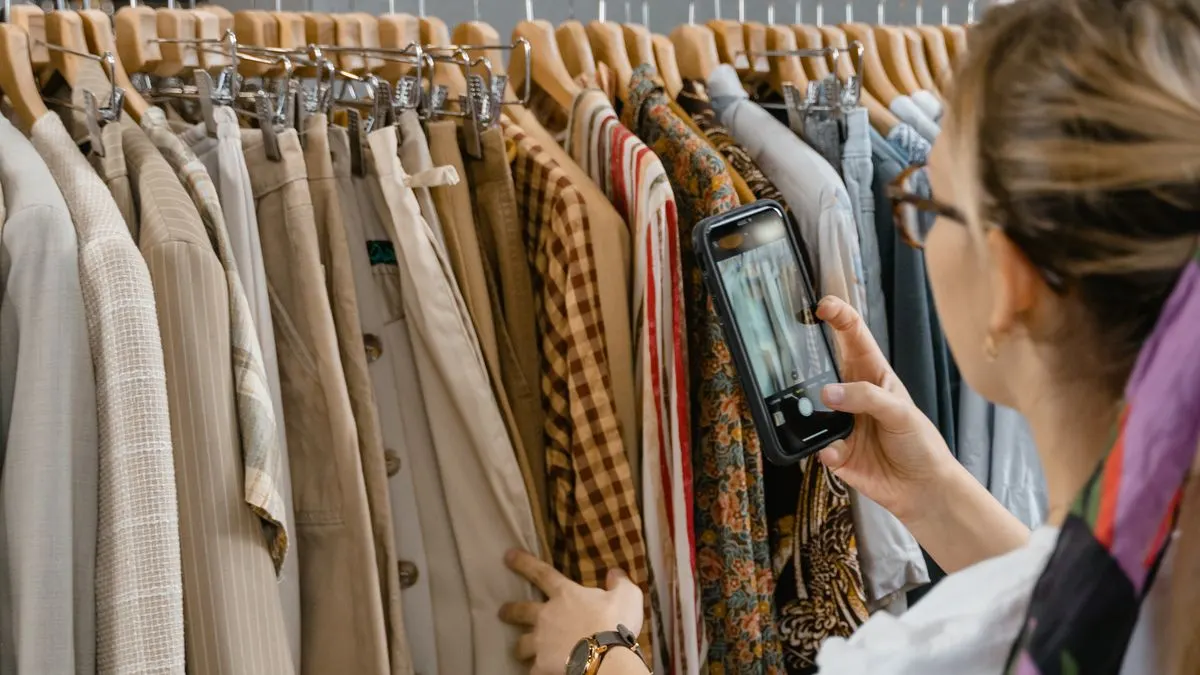
If your Vinted listing is not getting views, start with the factors a buyer can actually see: the first photo, title, category, price and product details. A quiet listing does not automatically mean your account has been hidden or that the item is unsellable. More often, buyers cannot find it through filters, do not recognise it in the feed, or decide that a similar listing looks clearer or better value.
The useful response is not to change everything at once. Diagnose where the listing is losing people, make one meaningful improvement, then review the result. This guide gives you a practical order of operations without promising a particular number of views or a quick sale.
Contents
- What low views actually tell you
- Seven common reasons a Vinted listing gets few views
- How to diagnose the problem
- A 20-minute listing refresh
- When to reduce the price or relist
- Examples: weak listing versus improved listing
- Checklist before you publish
- Frequently asked questions
What low views actually tell you
Views measure opens, not purchase intent. A listing with few views may have a visibility problem, while a listing with many views and no favourites may have a price, trust or product-fit problem. Treat those situations differently.
- Few views and no favourites: buyers may not be finding or noticing the listing.
- Many views and no favourites: the cover photo attracts attention, but the price, condition or details may disappoint.
- Favourites but no offers: buyers may be waiting for a price drop, payday or a seasonal need.
- Messages but no purchase: dimensions, postage, condition or confidence may be blocking the decision.
Compare like with like. A winter coat listed during a warm September week cannot be judged against a trending handbag. A niche size or specialist garment naturally has a smaller audience than everyday trainers. Your goal is to make the item easy to discover and easy to assess, not to chase an arbitrary view count.
Seven common reasons a Vinted listing gets few views
1. The first photo disappears into the feed
Buyers scroll through many similar tiles. If the garment is small in the frame, badly lit, creased or placed on a busy bedspread, they may not understand what is being sold. The first image should show the whole item clearly, with accurate colour and enough contrast from the background.
Use indirect daylight, clean the camera lens and crop out unrelated objects. A neutral wall, hanger or tidy flat-lay is usually enough. You do not need a professional camera. If you want a fuller setup, see our guide to taking clothing photos for Vinted.
2. The title is too vague
Titles such as “Lovely top” or “Wardrobe clear-out” contain little searchable information. A stronger title identifies the item in the language buyers use: brand, item type, colour, material or defining feature, and sometimes size.
For example, “COS black merino wool roll-neck jumper, size M” is more useful than “Beautiful warm jumper”. Avoid stuffing unrelated brands or trend terms into the title. Relevance helps the right buyer, while noise makes the listing less trustworthy.
3. The category, size or brand is wrong
Many shoppers browse through filters rather than typing a full search. A linen shirt placed under blouses, the wrong size system, or a missing brand can exclude it from the results they have chosen. Check every structured field, including colour, condition and material where available.
Choose the closest accurate category, not the category you assume has the most traffic. Misclassification can create views from the wrong audience and disappointment for the buyer.
4. The price does not match comparable listings
The original retail price is only one reference point. Buyers compare the same or similar brand, condition, size and style currently available. Search Vinted for comparable items and look at the total proposition, including likely postage and Buyer Protection costs.
A high price can be justified by excellent condition, a desirable style or complete documentation, but the photos and description need to support it. If you are unsure, use our Vinted pricing guide to build a repeatable range instead of guessing.
5. The description leaves important questions unanswered
A one-line description may be technically quick to publish, but it transfers work to the buyer. Include condition, fit, useful measurements, fabric composition, alterations and flaws. A detailed description can also contain natural phrases that help buyers understand exactly what the item is.
Do not hide damage behind “see photos”. Name it and show it. The official Vinted guidance says sellers should disclose flaws and relevant changes so buyers can decide whether an item is right for them. Our Vinted description template and examples shows a concise structure.
6. Demand is seasonal or simply limited
Some items need the right moment. Occasion dresses may attract more interest before party periods, school uniform before a new term, and heavy knitwear when temperatures fall. Brand, size, colour and local taste also affect the available audience.
Seasonality does not mean you must remove everything off-season. It means expectations and pricing should reflect demand. You can also group complementary low-value items into a bundle when that makes postage feel more reasonable.
7. The listing has become stale
Fresh supply constantly enters the marketplace, so an older listing can become harder to encounter in a crowded category. Before assuming age is the only problem, improve the fundamentals. A newly listed item with the same weak cover photo, vague title and unrealistic price may repeat the same outcome.
Review the item after enough time to observe normal activity for your category. There is no universal number of hours or days that proves a listing has failed.
How to diagnose the problem
Use a simple funnel. Start where a buyer first encounters the item and move towards the purchase decision.
Step 1: test discoverability
Write down the two or three searches a real buyer might use. Then check whether your title and selected attributes match those phrases. Do not repeatedly search your own listing and treat its position as a fixed ranking. Results can vary with filters, country, personalisation and newly added stock.
Ask instead:
- Is the product type explicit?
- Is the brand spelled correctly?
- Is the colour buyers would use included?
- Are the size and category accurate?
- Is the most distinctive feature visible in the title or image?
Step 2: inspect the thumbnail at phone size
Zoom out until the image is roughly the size it appears in a feed. Can you identify the garment immediately? Is the actual item brighter than the background? Does it look clean and in focus? If not, reshoot the cover before spending money on promotion.
Step 3: compare the offer
Open five to ten genuinely comparable listings. Note their price, condition, photography, number of images, measurements and whether they include proof of authenticity where relevant. Do not compare a worn basic item with a new-with-tags version or a current model with an older diffusion line.
Step 4: check trust signals
Buyers need confidence that the parcel will match the listing. Add label photos, close-ups of fabric, soles or hardware, and a clear image of every flaw. For higher-value pieces, show serial or authenticity details where appropriate without exposing personal information.
Step 5: separate visibility from conversion
If a refreshed cover and precise title bring views but not favourites, stop optimising for reach. Revisit the price, styling, condition and completeness of the description. If favourites rise, the audience is interested, although that still does not guarantee a sale.
A 20-minute listing refresh
You can improve most listings without rebuilding your entire wardrobe catalogue.
- Retake the cover photo: use daylight, a simple background and a vertical frame.
- Add evidence: photograph front, back, label, care label, texture and flaws.
- Rewrite the title: brand + colour + specific item + material or feature + size.
- Check all fields: category, brand, size, condition, colour and material.
- Add measurements: choose the dimensions that matter for the garment.
- Benchmark the price: compare close alternatives, not only retail history.
- Proofread: remove irrelevant keywords and correct ambiguity.
For a batch of listings, use the same shooting spot and measurement routine. Consistency reduces the time per item and makes your wardrobe easier to browse. If you prefer not to model clothing yourself, compare the practical options in our guide to clothing photos without a model.
When to reduce the price or relist
A price reduction makes sense when the listing is receiving relevant views or favourites but the offer remains less attractive than close alternatives. Make the change deliberate. A small reduction may be enough to enter a buyer’s budget filter, while a large reduction can unnecessarily remove your negotiating room.
Relisting should not be the first response to every quiet day. Platform rules and features can change, so check Vinted’s current terms before deleting and recreating an item. If you do create a fresh listing where permitted, make it materially better: new photos, corrected fields, a precise title and an updated price.
Paid visibility can expose a listing to more people, but it cannot repair an unclear product or poor value. Test it only after the organic listing is credible and only with an amount you are comfortable spending.
Examples: weak listing versus improved listing
Example 1: high-street dress
Weak title: “Gorgeous dress”
Improved title: “Zara green satin midi slip dress, size M”
Weak description: “Worn once, perfect condition.”
Improved description: “Green satin-look Zara midi slip dress, labelled M. Adjustable straps and side zip. Worn once. No marks or pulls noticed. Approximate flat measurements: underarm to underarm 45 cm, length from top of strap 123 cm. Fabric label shown in photos.”
The improved version does not rely on hype. It answers search and fit questions.
Example 2: trainers with visible wear
Weak title: “Nike trainers size 6”
Improved title: “Nike Air Force 1 white leather trainers, UK 6”
Improved condition note: “Used condition. Creasing across both toe boxes and wear at the outer heels, photographed closely. Insoles included. Please check the label photo for model and size details.”
Honesty may narrow the audience, but the remaining buyers know what they are considering.
Checklist before you publish
- The first image identifies the item instantly.
- Colour looks close to the item in normal daylight.
- Front, back, labels, details and flaws are photographed.
- The title uses specific, relevant words only.
- Category, brand, size, colour and condition are accurate.
- Useful measurements and material information are included.
- The asking price is compared with similar current listings.
- The description does not include unrelated brands or hashtags.
- You have stated alterations, missing parts, stains, wear or odours.
- The listing reads clearly on a phone.
Frequently asked questions
Why does my Vinted listing have zero views?
It may be new, highly niche, incorrectly categorised or hard to recognise in the feed. Check the cover photo, title and all filter fields first. Zero views alone does not prove that your account has been restricted.
Does editing a Vinted listing increase views?
Editing can improve the listing if you correct information, strengthen the photo or make the offer more relevant. It does not guarantee extra distribution. Focus on changes that help buyers find and assess the item.
Should I delete and relist an item on Vinted?
Only after checking current platform rules and improving the listing itself. Recreating the same weak listing is unlikely to solve its underlying problem. Try clearer photos, accurate fields and realistic pricing first.
How long should I wait before lowering the price?
There is no universal timetable. Consider the category, season, number of relevant views, favourites and comparable prices. A niche coat and a popular pair of trainers should not be judged on the same schedule.
Do hashtags help Vinted listings get views?
Vinted’s official description guidance tells sellers not to add hashtags or unrelated brand names. Use accurate item details and the platform’s structured fields instead of keyword stuffing.
Can better photos increase views?
Better photos can make an item easier to notice and understand, which may lead to more opens. They cannot guarantee views or a sale, and they work best alongside an accurate title, category, description and price.
Low views are a signal to investigate, not a verdict on your wardrobe. Work through the funnel in order: discoverability, thumbnail, offer and trust. One precise refresh teaches you more than a series of random edits, and it leaves the buyer with a listing that is genuinely easier to choose.